
Older rentals are charming, with their high ceilings, solid floors, and beautiful details—but they rarely come with modern ventilation.
Without fresh air moving through, moisture gets trapped, condensation beads on windows, and mould quietly creeps in. Those issues don’t just make the house feel damp and musty while you live there. They become expensive problems when it’s time to move out.
The good news is that a handful of easy, tenant-friendly habits will keep the air moving, the walls dry, and your deposit safe.
Let Fresh Air In Every Single Day
The simplest and most powerful tool you have is the window. Older homes were designed before mechanical systems, so they actually breathe when you let them.
Make it a non-negotiable routine. Every morning, even if it’s cold or raining, open windows on opposite sides of the house for ten to fifteen minutes. That cross-breeze pulls stale, moist air out and replaces it with fresh, drier air from outside.
Pay special attention to the kitchen after cooking and the bathroom after showers. Those two rooms produce the most steam and odours.
In winter, when you’re tempted to keep everything sealed tight, even five minutes of cracked windows while you’re making coffee makes a surprising difference.
You’ll notice the house smells cleaner, laundry dries faster, and that heavy, sleepy feeling in the evenings disappears.
Maximise Whatever Fans and Extractors You Have
If your rental has an extractor fan in the bathroom or above the stove, treat it like gold. Run it during every shower and for at least twenty minutes afterwards. The fan’s job is to suck steam out before it can settle on walls and ceilings.
The same rule applies to the kitchen. Switch the rangehood on the moment oil hits the pan and leave it running until the steam and cooking smells are gone.
If the house lacks built-in extractors, which is common in older places, a couple of inexpensive portable fans work wonders. Place one blowing cool air in through a bedroom window and another pushing warm, damp air out through the kitchen.
On still days, even a small desk fan pointed at a corner where condensation forms can keep surfaces dry enough to stop mould before it starts.
Fight Condensation Before It Becomes Mould
In winter, when warm air inside meets freezing single-glazed windows, water droplets appear like clockwork. Ignore them for a week, and you’ll have black spots on silicone and paintwork that no amount of scrubbing will completely hide from an inspector.
Get into the habit of wiping windowsills and the bottom of window frames every morning with a dry microfibre cloth. It takes thirty seconds and stops moisture from soaking into timber or plaster.
Move beds, sofas, and wardrobes an inch or two away from external walls so the air can circulate behind them. Furniture pressed hard against cold walls creates hidden damp zones that breed mould out of sight.
If you spot even a hint of black speckling, dab it immediately with a cloth dipped in white vinegar. Then, dry the area thoroughly and increase airflow in that area for the next few days.
Keep Interior Doors Open
Thick walls and heavy doors look beautiful, but they can turn each room into its own little humidity bubble.
During the day, leave internal doors ajar whenever possible. Air that flows freely from the front to the back of the house carries moisture with it, instead of letting it settle.
When you combine open doors with the cross-breeze from windows, the entire property feels lighter and cooler almost instantly.
If privacy or heating is a concern at night, simply open everything up while you’re out, or first thing when you wake up.
This small effort pays off in fewer musty corners and far less dust settling on skirtings and shelves.
Bring in a Dehumidifier for Stuffy Rooms
Some older homes—especially those with poor sub-floor ventilation or north-facing rooms—stay humid no matter what you do.
A small dehumidifier is one of the best investments a tenant can make. Even a compact 10–12 litre model will pull litres of water out of the air every day in a bathroom, laundry, or basement bedroom.
Empty the tank each morning, give the filter a quick rinse once a month, and you’ll watch condensation vanish from windows and tiles.
The house will feel warmer, as dry air heats more efficiently, clothes will dry faster on the line, and mould simply never gets a foothold. When you move out, wipe the unit down and take it with you. Your next rental will thank you.
Clean Vents, Grilles, and Radiators Regularly
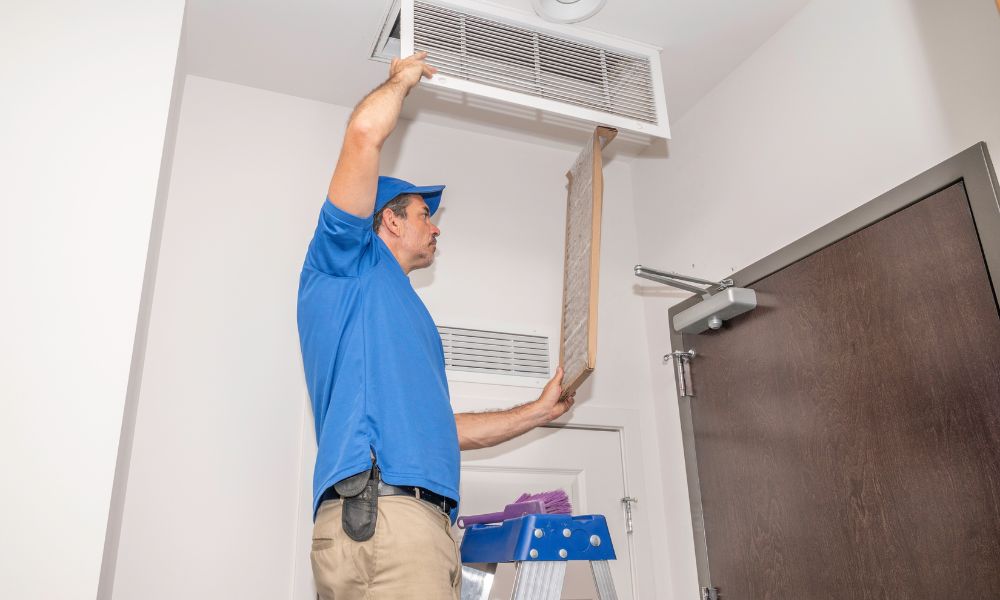
Older heating systems and wall vents collect years of dust and pet hair. Every couple of months, run a vacuum brush attachment over every grille and vent cover you can reach.
If the house has old-fashioned radiators, slide a slim duster or a damp cloth behind and underneath them. Dust that builds up there gets baked on every winter and then blown around the room when the heat kicks in.
Keeping these areas clean does more than improve airflow; it stops that slightly burnt-dust smell that makes a house feel neglected.
Add a Few Hard-Working Houseplants
Plants are nature’s quiet air purifiers. A couple of snake plants in the bedroom, a peace lily in the bathroom, and a spider plant in the living room will absorb excess moisture, filter toxins, and release oxygen.
They’re almost impossible to kill, they look good, and they signal to the landlord that you’re taking good care of the house. Water them sparingly, as overwatering creates its own humidity problems, and they’ll reward you with fresher air right up to moving day.
Book a Professional Cleaner
Before handover day, consider booking a professional tenancy inspection cleaning team that specialises in older homes.
They’ll deep-clean high vents, extractors, and every hidden corner. Expect them to remove any last trace of condensation or dust, and leave the air noticeably fresh.
It’s the final, foolproof step that turns “good enough” into “perfect” and virtually guarantees your full bond back with zero hassle. One booking, complete confidence.
Conclusion
When the inspector walks in, they’ll feel the difference the moment they step through the door—cooler, drier, fresher air and not a trace of damp. That first impression is priceless.
If you try the simple habits in this article, you’ll enjoy a healthier, more comfortable home while you live there. And you’ll hand the keys back knowing the property is in better shape than when you arrived.
Your landlord will notice, your bond will come back intact, and the next tenant will thank you for leaving a home that truly feels looked after.